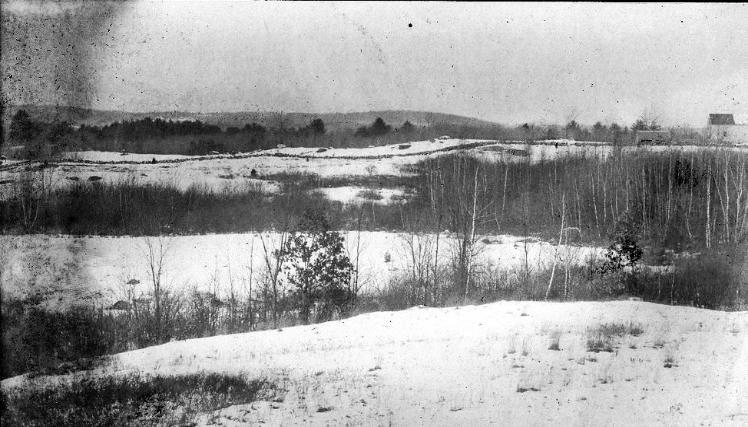
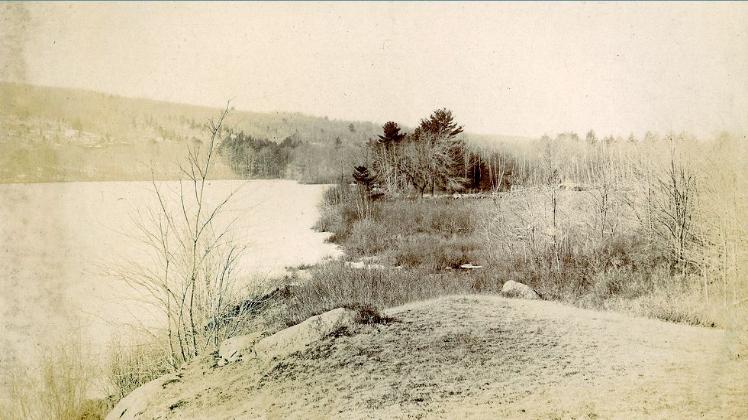
landscape design by Warren Henry Manning. The first two photos below are views of Hopedale Pond and the Parklands by Manning. |
Hopedale History March 1, 2017 No. 319 Manning in Hopedale, Part 1 Hopedale in February
paved roads, a one-room 1-8 school, providing almost everything they needed on their farm. Recent additions to existing pages on hope1842.com: Gov. Eben S. Draper (Article on a welcome home party in 1911 after Draper completed his term as governor.) Deaths <><><><><><><><><><> Twenty-five years ago - March 1992 - Microsoft releases Windows 3.1 in stores everywhere. White South Africans vote in favor of political reforms which will end the apartheid regime and create a power- sharing multi-racial government Paul Tsongas withdraws from the Democratic Party presidential primaries, virtually assuring a victory for Bill Clinton. Fifty years ago - March 1967 - The body of U.S. President John F. Kennedy is moved to a permanent burial place at Arlington National Cemetery. Nine executives of the German pharmaceutical company Grunenthal are charged for breaking German drug laws because of thalidomide. Charles Manson is released from Terminal Island. Telling the authorities that prison had become his home, he requested permission to stay. Upon his release, he relocates to San Francisco where he spends the Summer of Love.
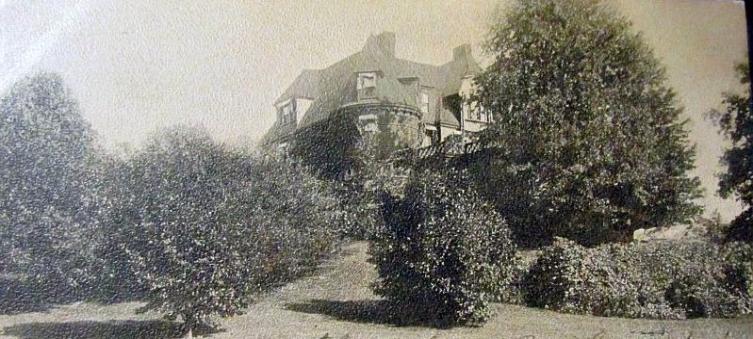
News from 25, 50 and 100 years ago, see below this text box. <><><><><><><><><><> Warren Henry Manning's Work in Hopedale, Part 1 Among landscape architects in the United States in the late 19th and early 20th centuries, only Frederick Law Olmstead appears to have been better known than Warren Henry Manning. Here, from the Hopedale Village Historic District National Register Nomination is a bit about his work in Hopedale. The oldest of the village's historic open spaces in the Hopedale Village Cemetery, laid out initially (1845) by the Rev. Adin Ballou for use by the Hopedale Community. The selected location, on the opposite side of the Mill River from the residences and manufacturing operations, was considered close geographically to the physical center of the Community, yet sufficiently removed from the bustle of everyday life. Following the establishment of Hopedale's Village Improvement Society, the mid 19th century graveyard was enlarged and transformed into a planned, formally landscaped cemetery. Landscape architect Warren Henry Manning (1860-1938) is believed to have designed the late 19th century plan for the Hopedale Village Cemetery, and also may have designed the grounds of Eben Sumner Draper's estate. (The Ledges) In 1889 the Draper Company paid Manning to prepare the grading and planting for the town's new high school, which was located on the site of the present Sacred Heart Church. At the time, Manning was a member of the firm of Frederick Law Olmstead of Brookline, with which he was associated until 1896, when he began his own practice as a landscape designer. The extent of the Olmstead firm's role in these early landscape projects in Hopedale is unclear. The archive of the Frederick Law Olmstead National Historic Site yields information on only two projects in Hopedale; those executed for George A. Draper in 1890 and Thomas H. West in 1944-45. On behalf of Olmstead & Company, Manning likely executed the landscape plan for Olmstead Job #1205, involving grading, draining, planting, and fencing plans for property owned by George A. Draper in Hopedale. The work apparently related to Draper's estate on Adin Street. (house demolished in the 1930s) Draper was one of the sons and a director in George Draper & Sons, which became the Draper Company in 1896. Redevelopment of the George A. Draper estate in the 1930s, and continuing redevelopment of portions of the property for residential use as recently as the 1990s, makes the preservation of the Olmstead landscape at this location unlikely. When Warren Manning was brought in to design Hopedale's park system, construction of the playground or Town Park, was underway. Occupying approximately six acres of land formerly owned by Henry L. Patrick, the park was located at the corner of Freedom and Dutcher streets, close to the homes of the mill operation. The park was created from a marsh-filled area that was sub-drained with catchbasins, and then graded. Loose stones on the property were assembled to form the existing stone walls, and hedges were planted. The Craftsman-style bandstand, designed by Chapman and Frazer of Boston, and built by Dillon Brothers of Milford, was added in 1906, and the Hopedale Brass Band was formed the same year. The bandstand included a locker room below. By 1914, the park boasted a field for baseball and football, as well as tennis courts. In 1901, the Draper Company started and Annual Field Day, featuring sporting events and other contests held in the Town Park and on Hopedale Pond. Kathleen Kelly Broomer, Hopedale HIstoric Village National Register Nomination |
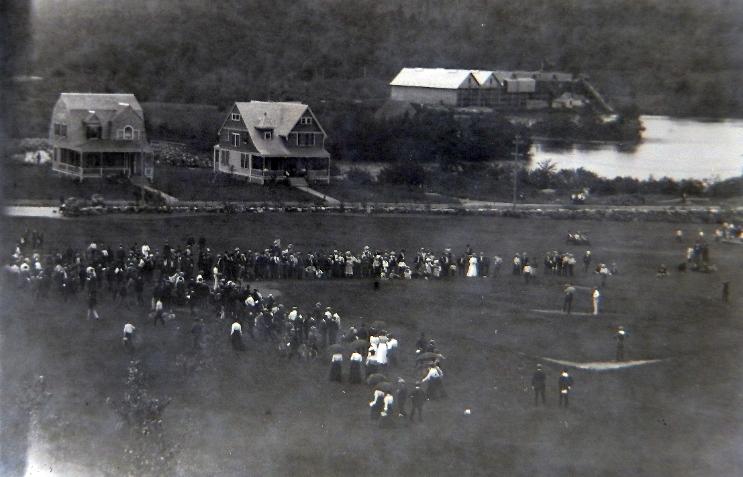
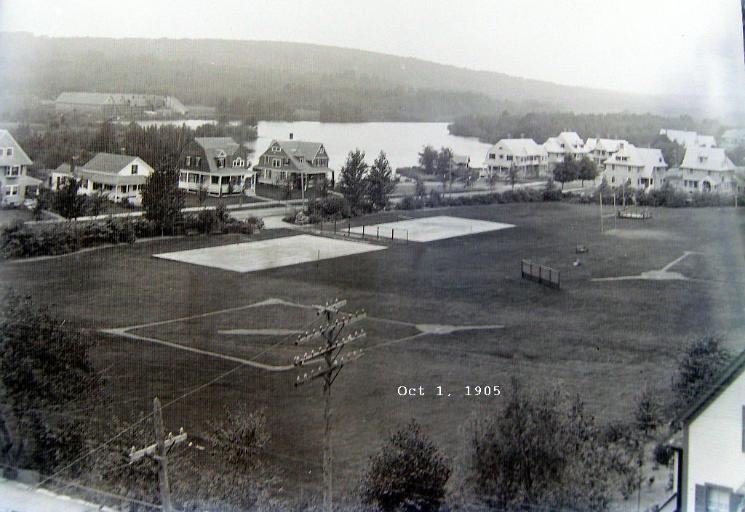
The two photos below are from the Hopedale history collection at the Bancroft Library, and were taken by Edwin Darling. Click here to see more of Darling's photos of the Town Park taken during the first decade of the twentieth century. |
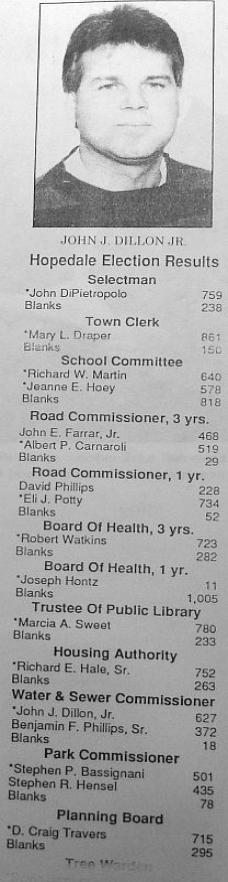
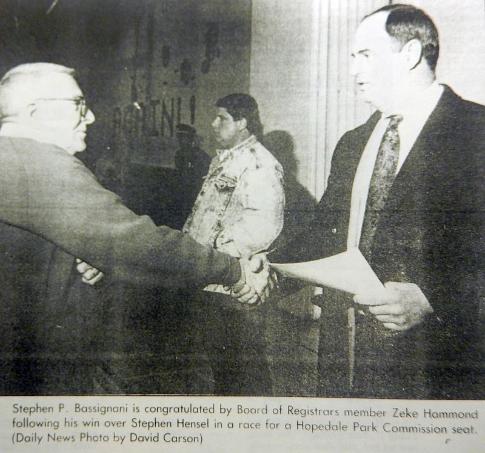
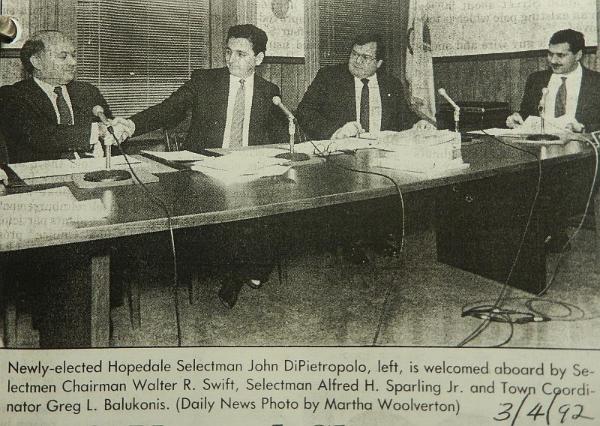
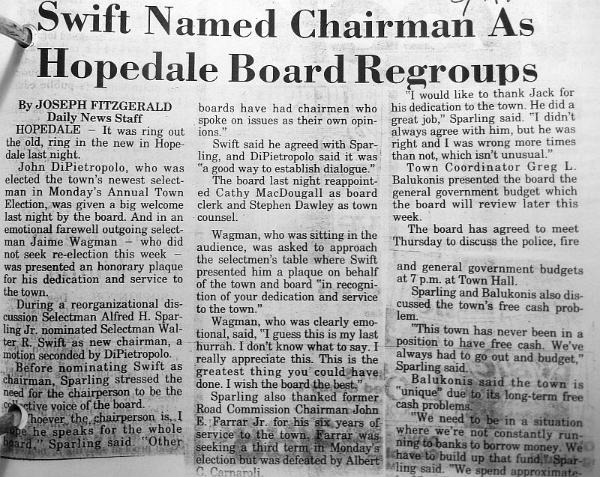
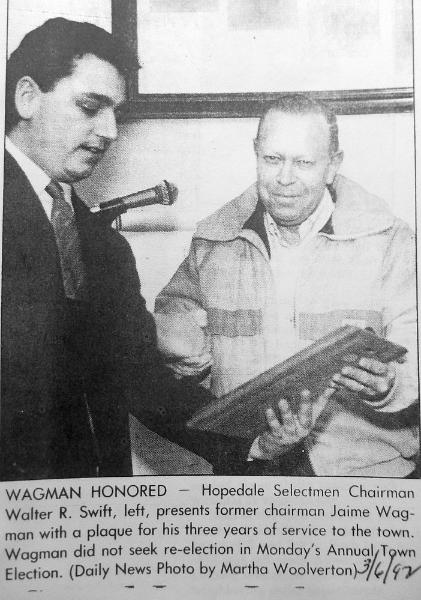
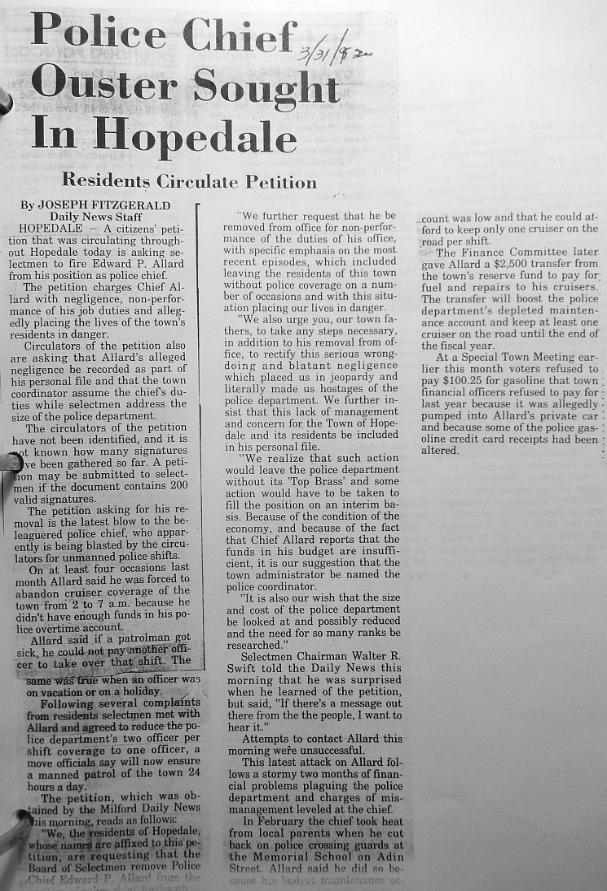
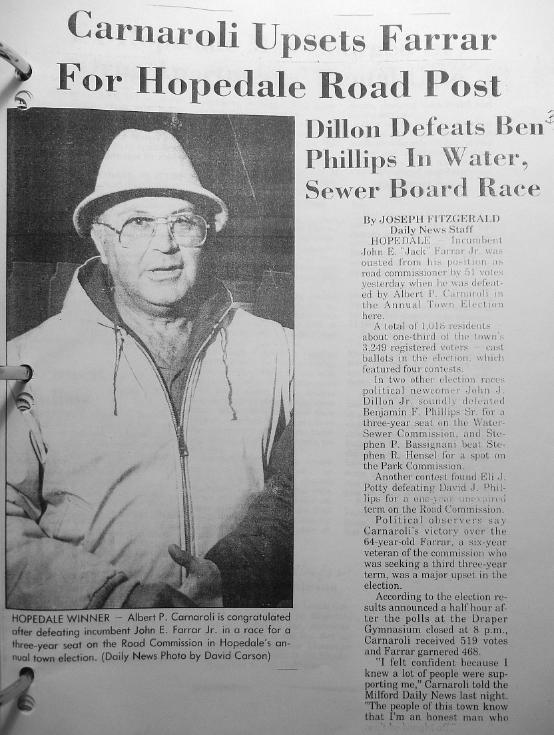
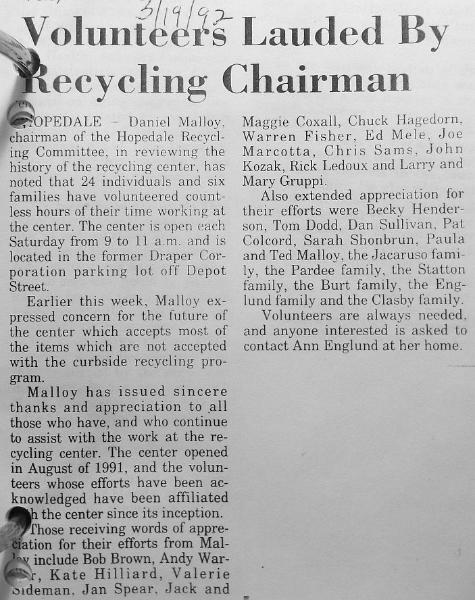
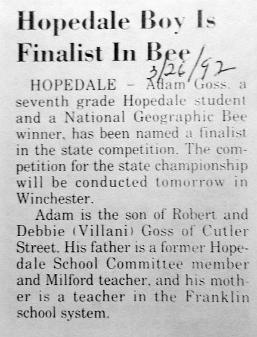
Hopedale News - March 1992 |

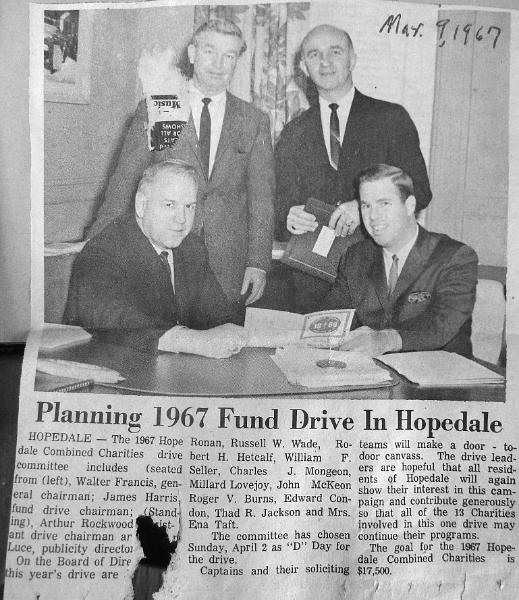
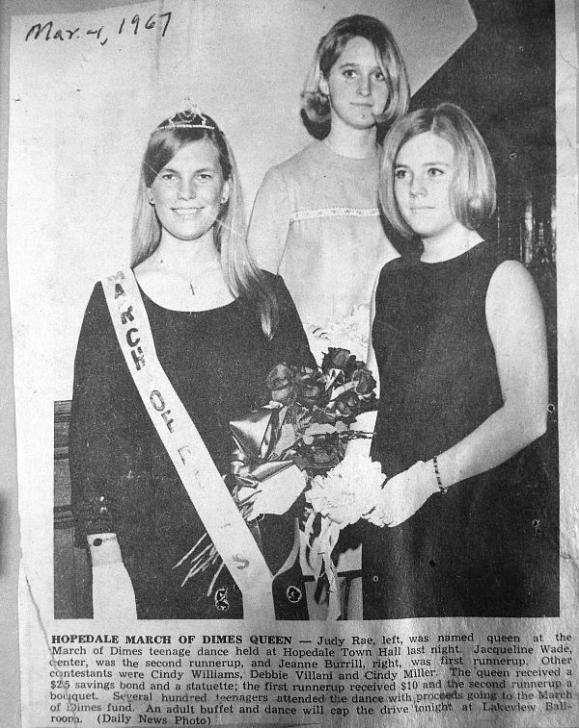
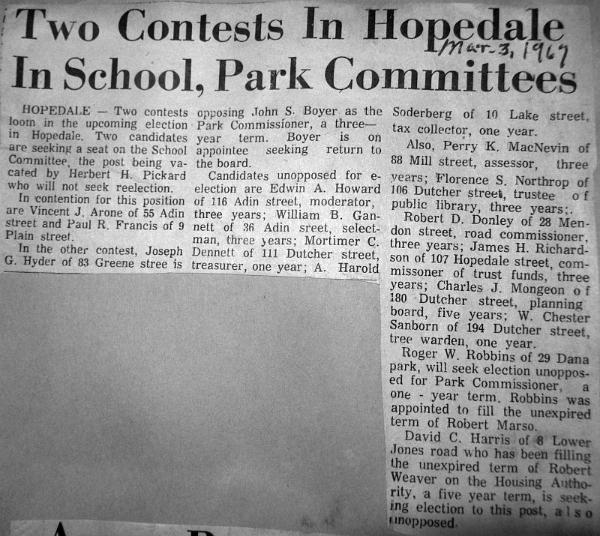
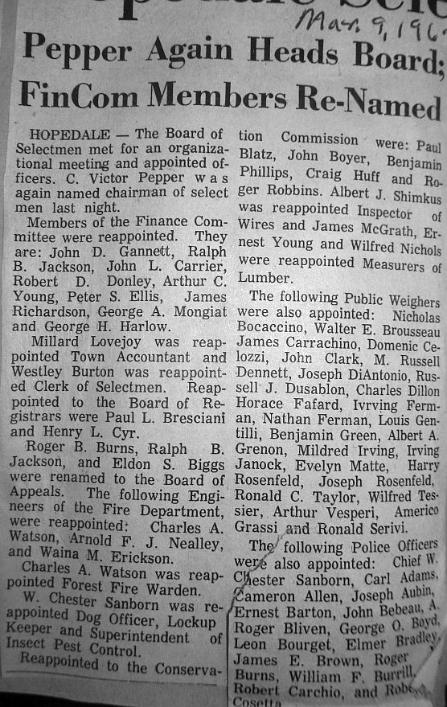
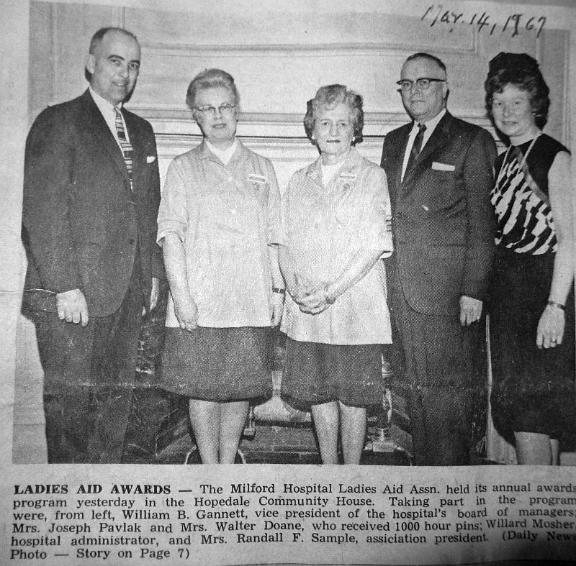
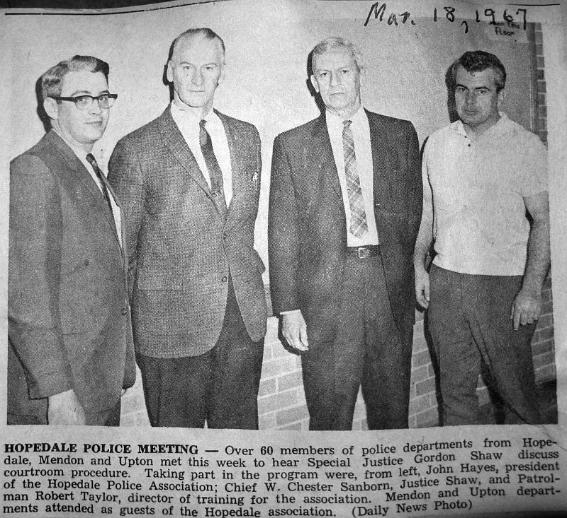
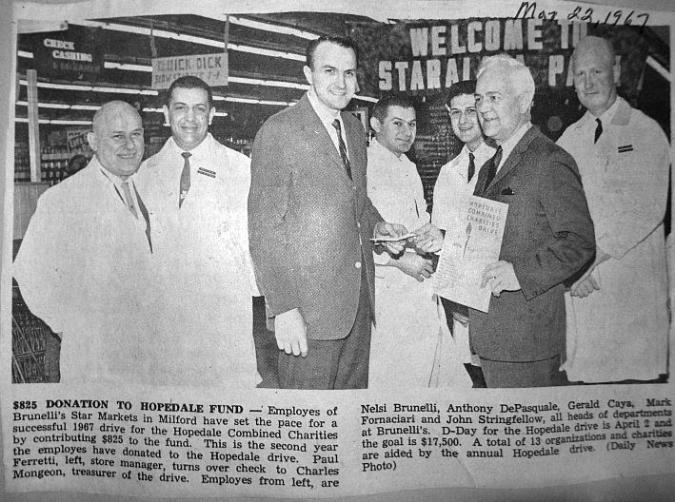
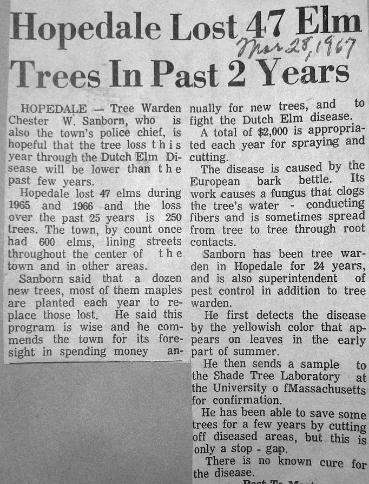
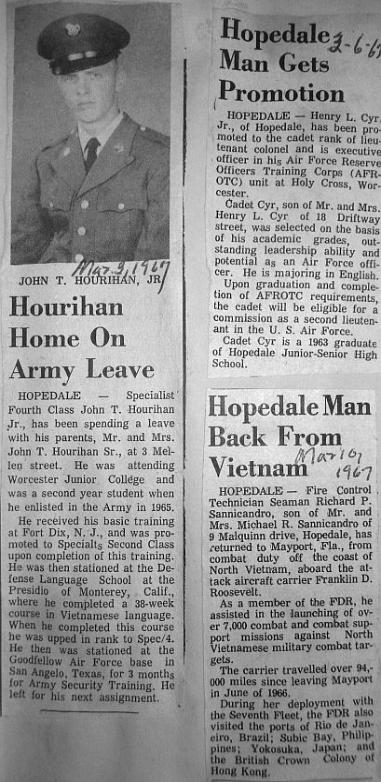
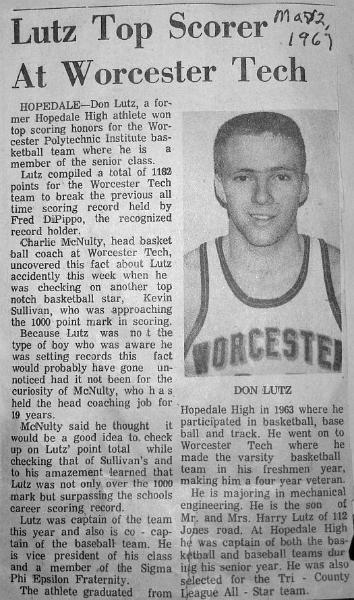
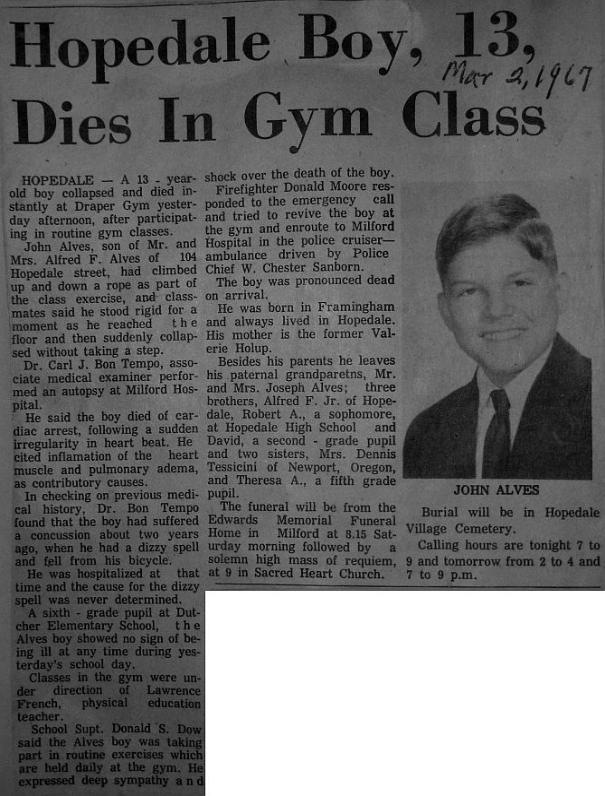
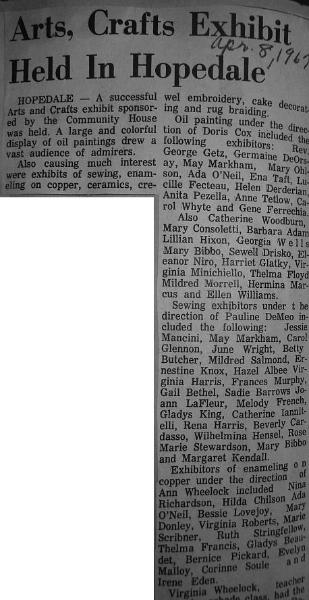
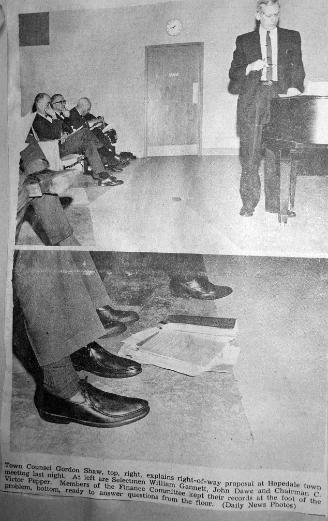
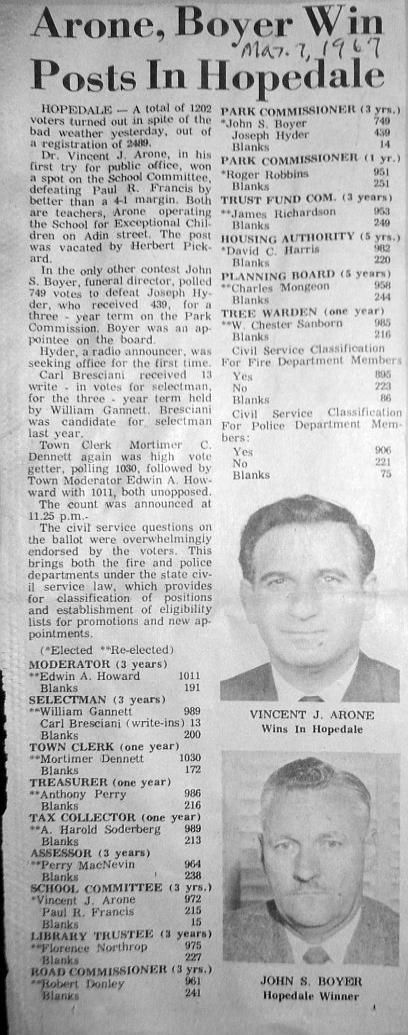
Hopedale News - March 1967 |
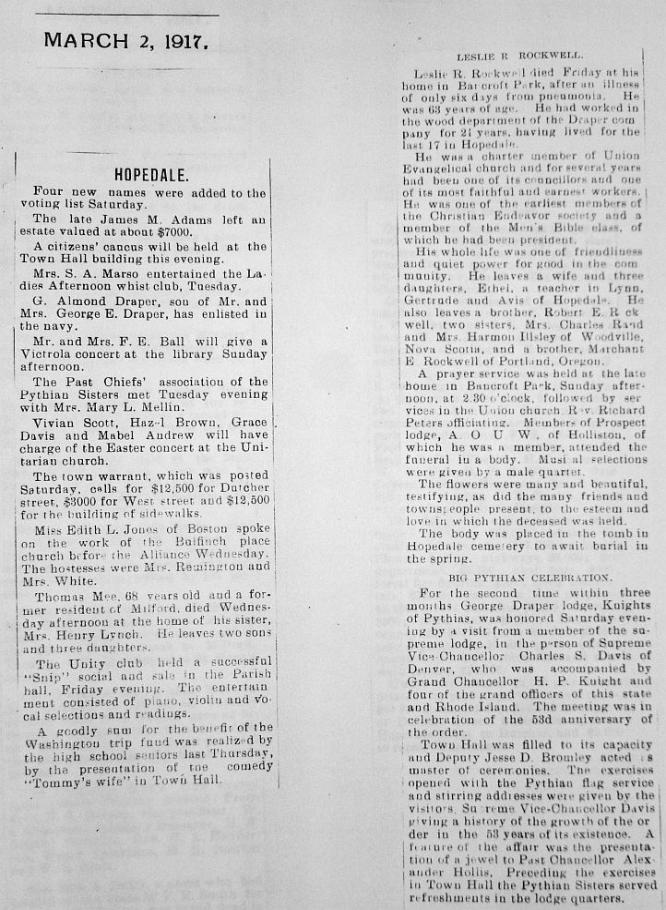
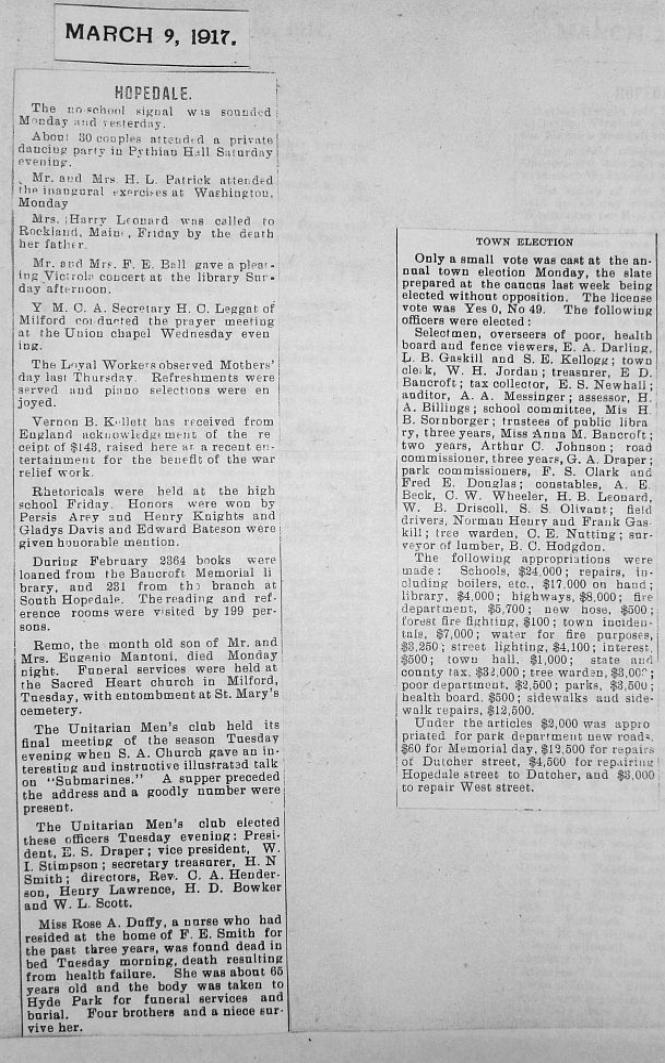
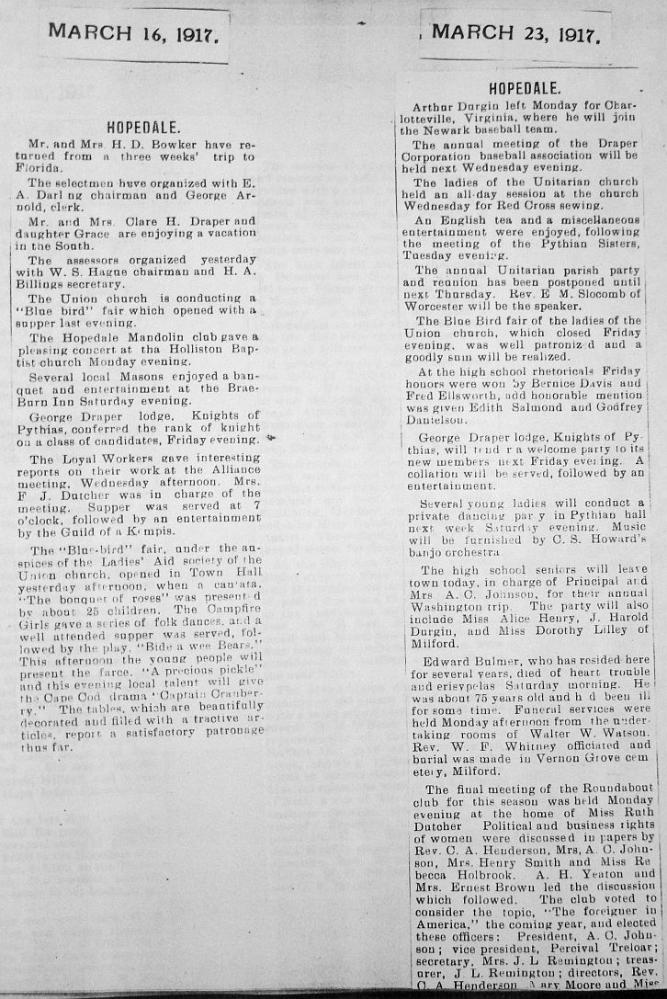
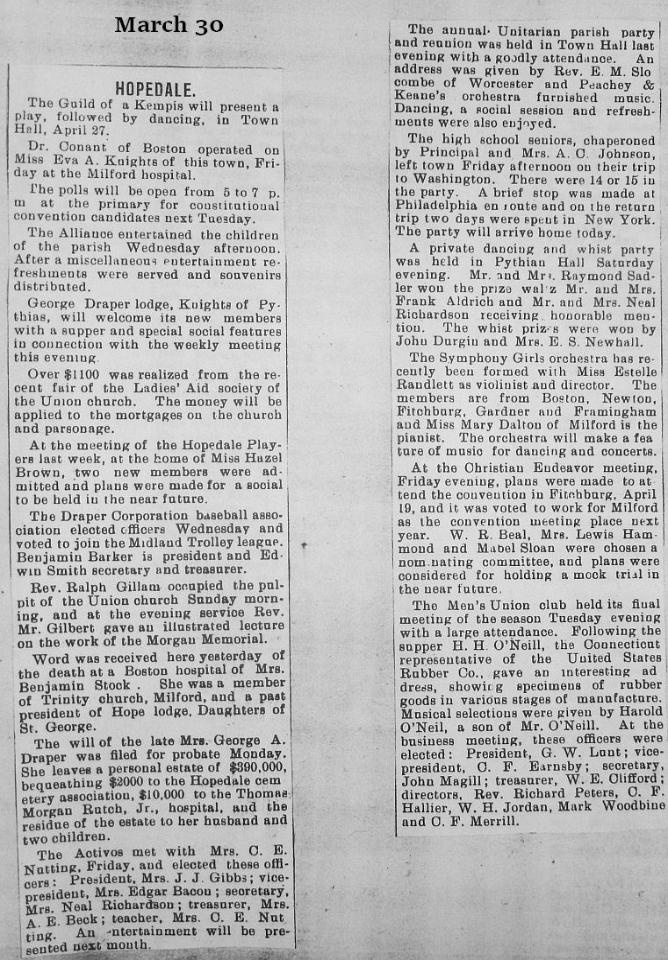
Hopedale News - March 1917 |