Hopedale History
November 2026
No. 457
Lt. Richard Newell
Hopedale in November
<><><><><><><><><><>
Twenty-five years ago – November 2001 – American and Northern Alliance forces take Mazar-i-Sharif in the first major offensive of the War in Afghanistan.
Microsoft enters the gaming console market with the release of the Xbox.
President George W. Bush signs the Aviation and Transportation Security Act into law, shifting airport security from private contractors to a federal workforce.
Fifty years ago – November 2001 – Jimmy Carter narrowly defeats incumbent Gerald Ford, becoming the first candidate from the Deep South to win since the Civil War.
Microsoft is officially registered with the Office of the Secretary of the State of New Mexico.
One hundred years ago – November 1926 – The United States Numbered Highway System, including U.S. Route 66, is established.
The NBC Radio Network opens in the United States with 24 stations (formed by Westinghouse, General Electric and RCA).
The restoration of Colonial Williamsburg begins in Williamsburg, Virginia.
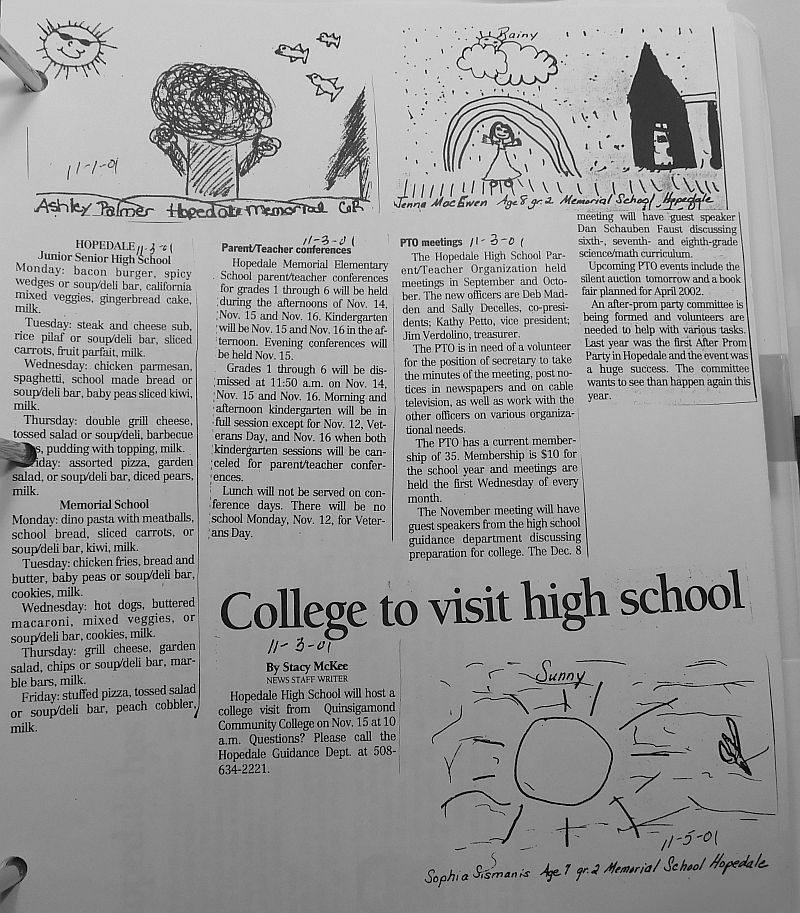
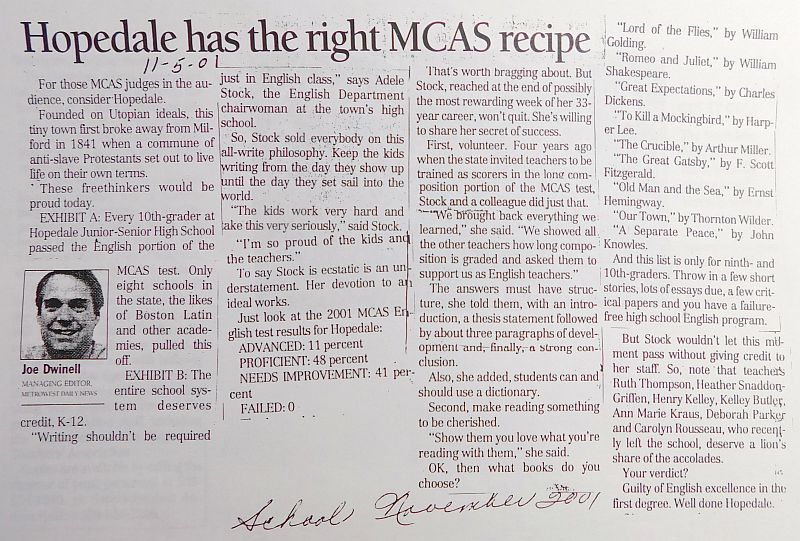
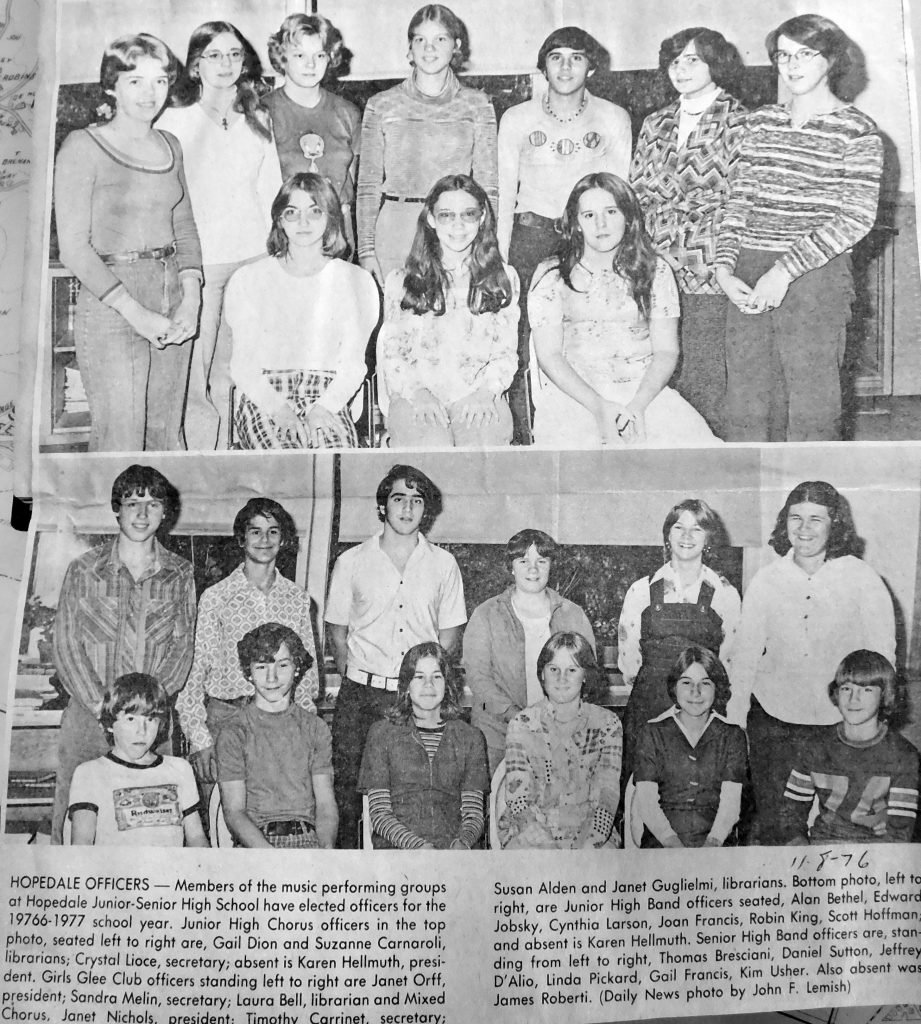
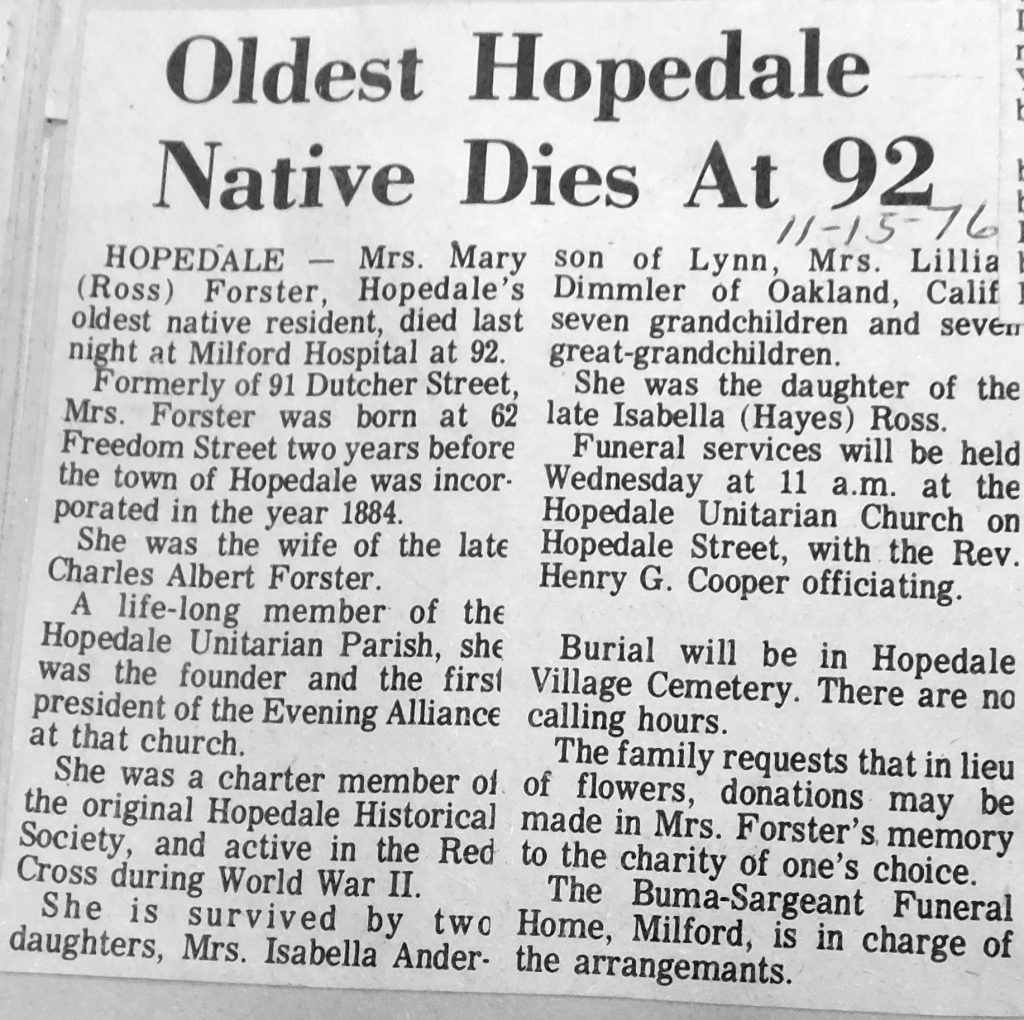
News above is from Wikipedia. For Hopedale news from 25, 50 and 100 years ago, see below this textbox.
<><><><><><><><><><>
Lt. Newell, Hopedale, In
Series of Combat Flights
Milford Daily News,
October 20, 1944
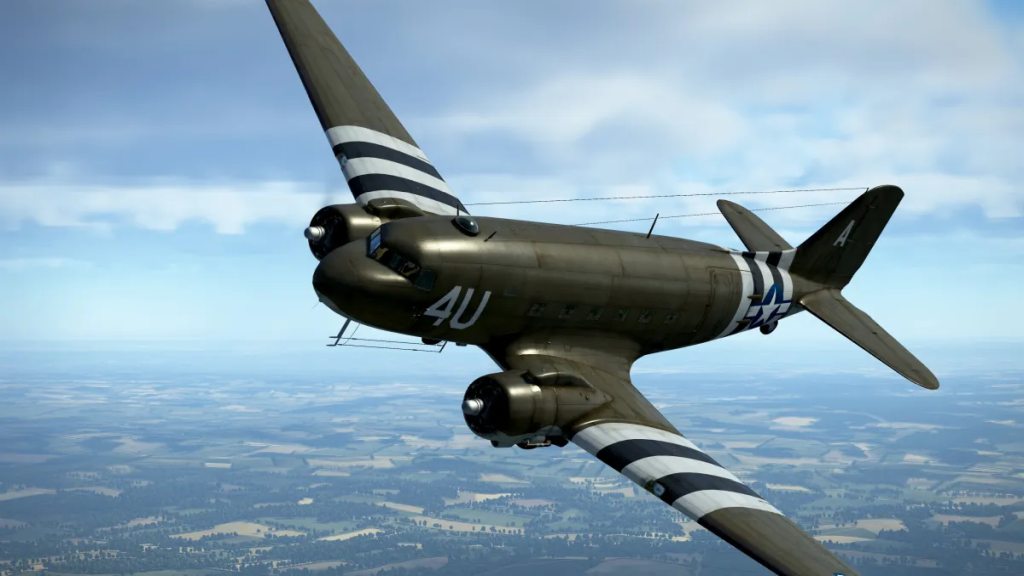
Lt. Richard P. Newell, 18 Dutcher Street, Hopedale, a C-47 combat navigator, has just completed a series of low level combat flights in the recent spectacular airbourne invasion of German occupied Holland.
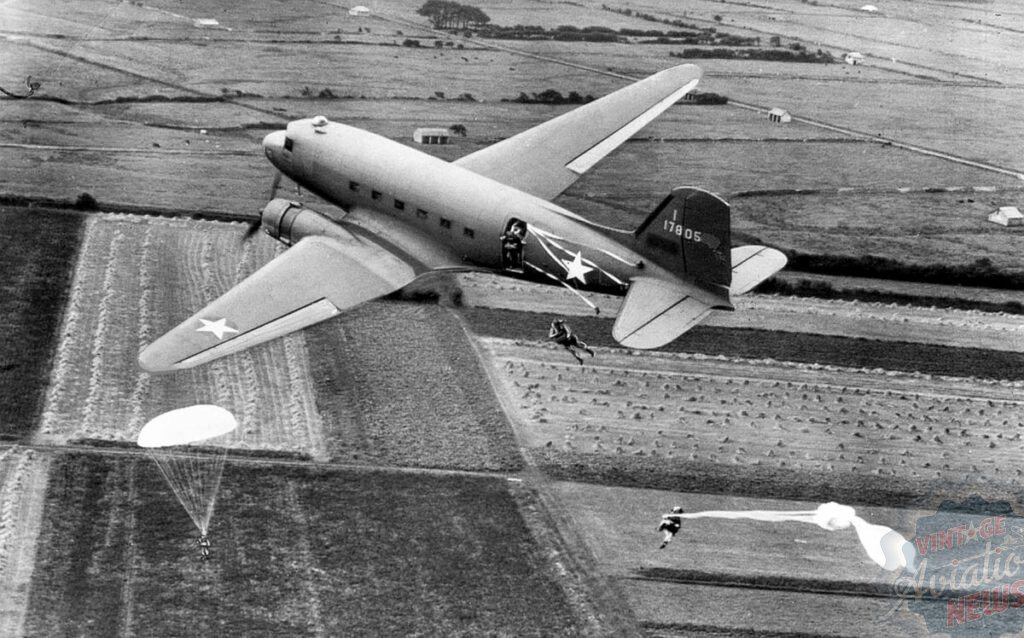
Lt. Newell was the navigator on a C-47 that dropped some of the first paratroopers to land behind the enemy lines and followed this by setting the course for his squadron’s airplanes in the subsequent glider missions that brought in jeeps and heavy guns to reinforce the hard fighting paratroops.
The Hopedale youth’s third trip across enemy lines into the Lowlands was not without incident. Just as the plane in which he was flying was approaching the gllider release point near the assigned landing zone, a .50 calibre German shell tore through the bottom of the fuselage, passed through Newell’s heavy shoe, sliced off a sliver of his right big toe and then lodged in the radio compartment near the roof of the plane.
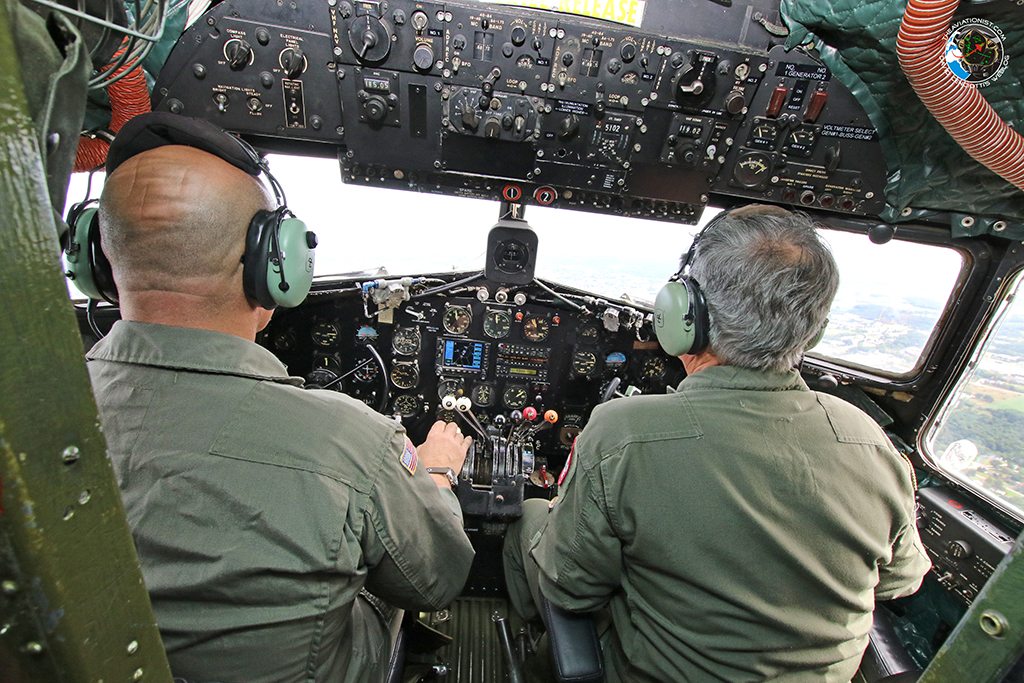
“I was standing in my regular place between the pilot and copilot checking our run-in to the target area,” related Newell on his return, “when I felt the stinging sensation in my right foot. I knew that I had been shot as I looked down and saw the hole in the top of my shoe. It didn’t bother me at first, but later it started to pain very much.”
Despite the difficulty of standing on practically one foot and still keeping his mind on his work, “The Ripper,” as he is called by his fellow flyers, stayed at his post. He guided his lead aircraft with the glider in tow across the landing zone, saw the motorless craft cut loose and glide to earth and then continued to plot his course out of the sniper infested territory until reaching the security of the Belgian border. Then and only then did he inspect his damaged foot.
“I drew the lead navigator duties on this particular mission,” continued the likeable youth, “and I had the responsibility of getting my squadron in and out of the target area. I wasn’t hit very hard and there was no reason for my taking the time to inspect my injury until I knew that all the planes in the squadron were out of the range of enemy gun-fire.”
Lt. Newell dressed his wound himself with the aid of a medical kit carried on all combat aircraft and is now hobbling around his home base, none the worse for his experiences.
Lt. Newell attributed his slight injury to the sturdiness of the G.I. shoes he was wearing on the mission. A low-cut shoe would not have been able to offer the resistance that the heavy army shoes provide, and a more serious injury might have resulted. “I plan to keep that G.I. shoe as long as I live,” said the modest flyer, “as a memento of my flights against the Jerries.”
For Lt. Newell this was his second series of combat flights across enemy lines. He participated in the historic June 6th airborne invasion of the Cherbourg peninsula that started the Germans reeling back to the doubtful security of the Siegfried line.
The Hopedale navigator is a member of a troop carrier group under the command of Col.William B. Whitacre of Western Springs, Ill. This unit is part of the First Allied Airborne army commanded by Lt.Gen. Lewis H. Brereton.
Ezine Menu
War Veterans’ Menu HOME